
On Monday, 22 June 2026, Technology Scotland held the second meeting of the Manufacturing and Fabrication for Critical Technologies Special Interest Group, bringing together industry, academia and public sector stakeholders to discuss the future of Scotland’s critical technologies manufacturing ecosystem.
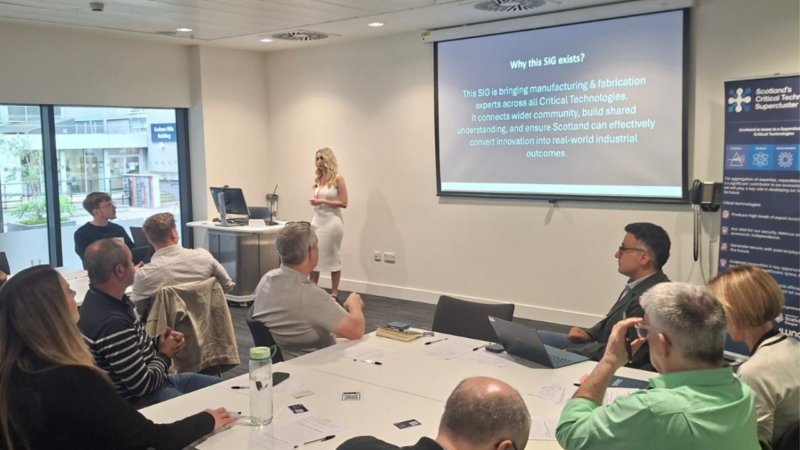
The session focused on emerging initiatives that will be shaping the future of manufacturing infrastructure across Scotland’s critical technologies landscape.
The first part of the programme featured updates on several significant initiatives connected to the Glasgow City Region Investment Zone.
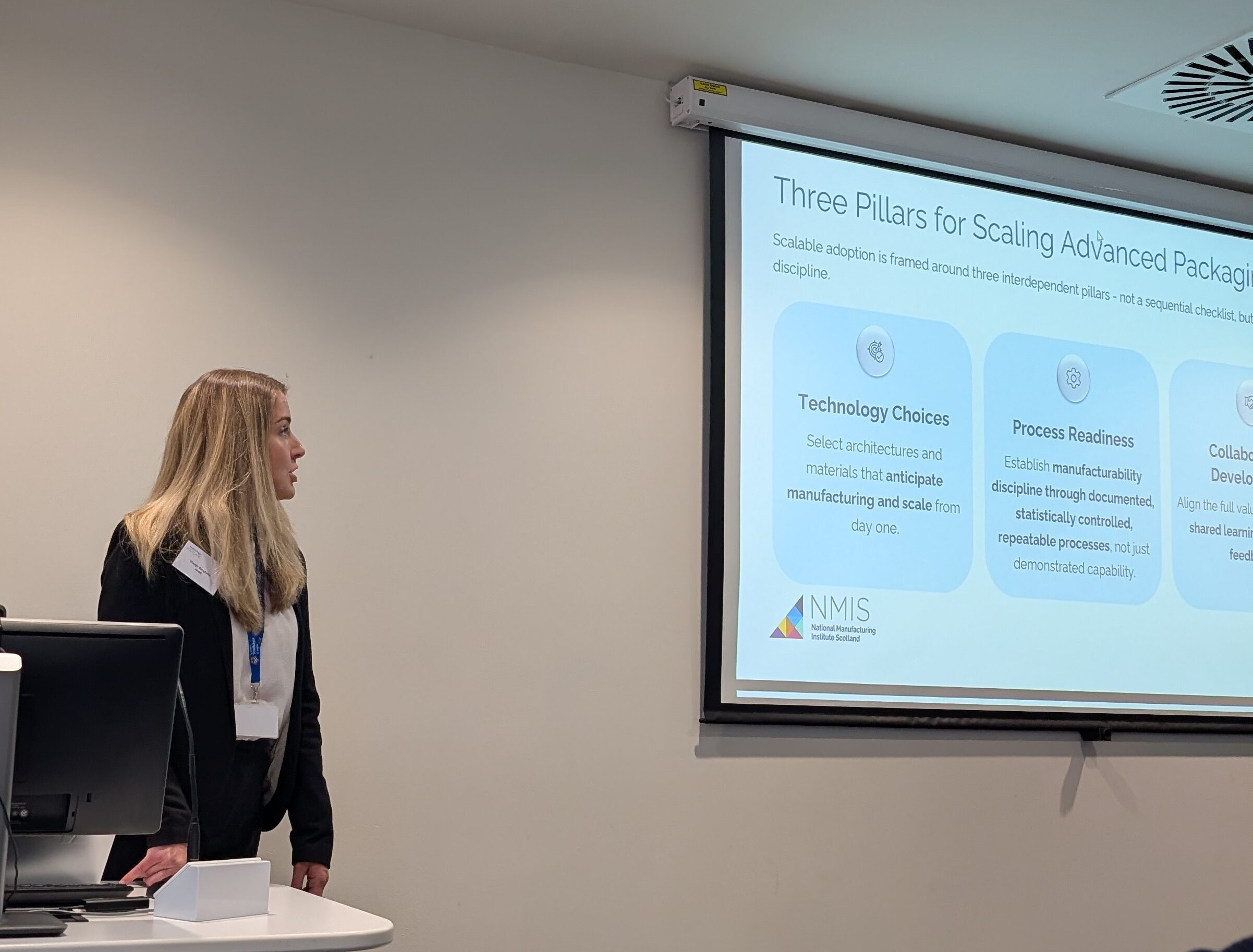
Gladys Benghalia provided an overview of the developing plans for the National Advanced Semiconductor Packaging and Integration Centre (NASPIC), highlighting its strategic role in strengthening Scotland’s semiconductor packaging capabilities and supporting the wider local supply chain.
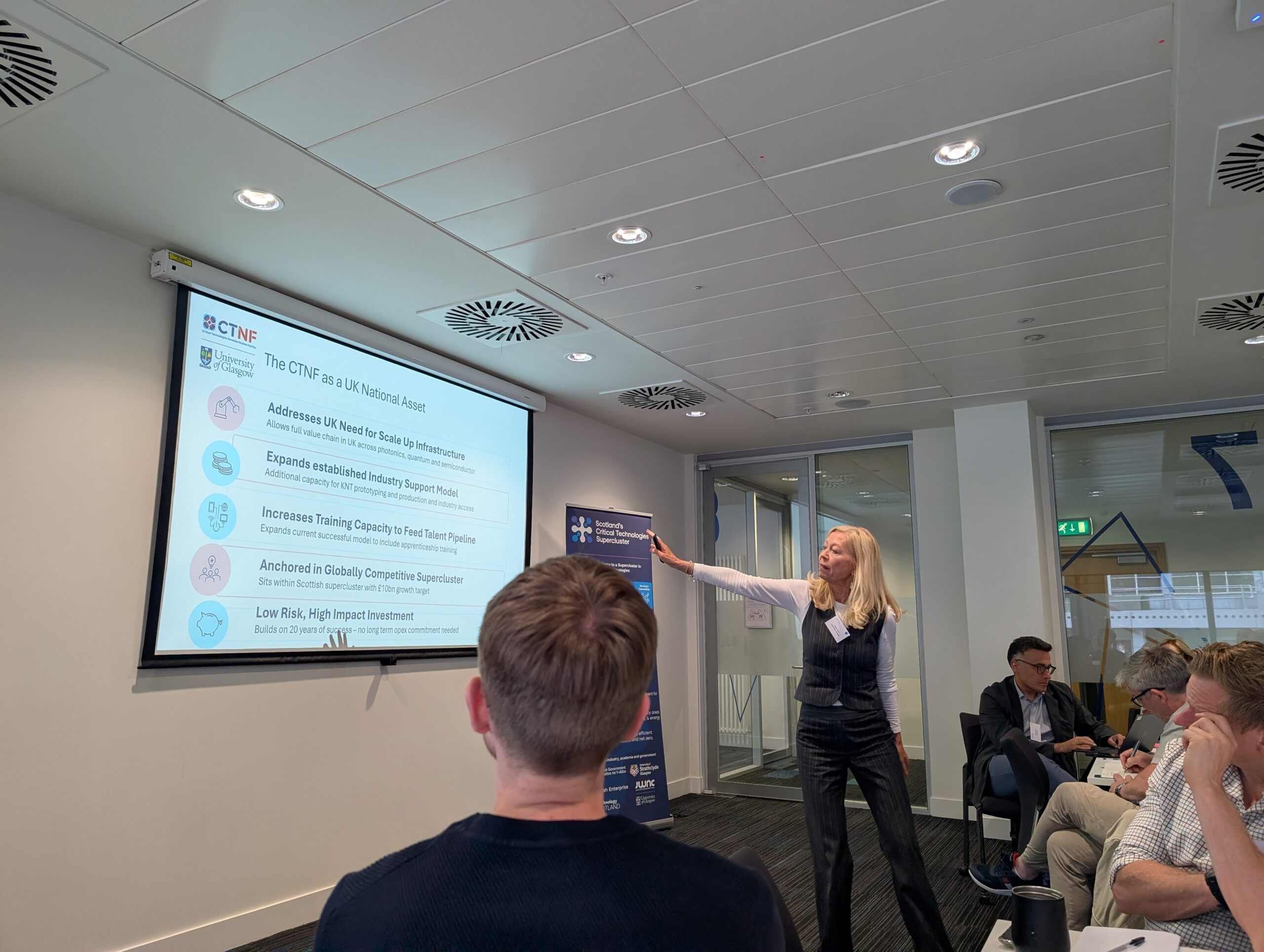
Evelyn Toma presented the latest developments from the James Watt Nanofabrication Centre (JWNC), outlining the facility’s role within current regional proposals and sharing future ambitions for expanding its capabilities to meet increasing demand from industry and research.
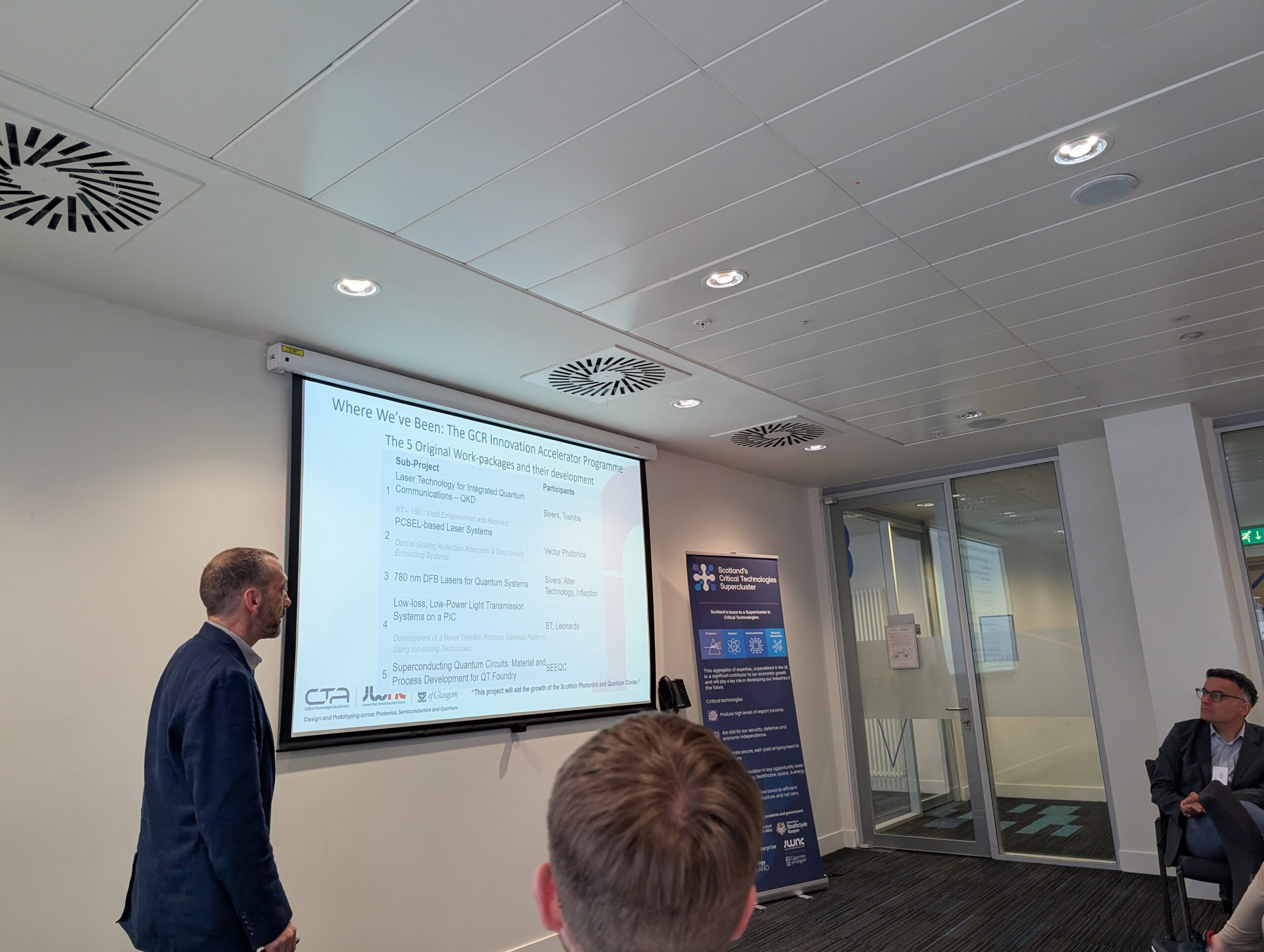
Anthony Kelly introduced the work of the Critical Technologies Accelerator, leading organisation on the Laser Supply Chain Project, demonstrating how targeted collaboration can help develop stronger domestic supply chains and improve resilience across key technology sectors.
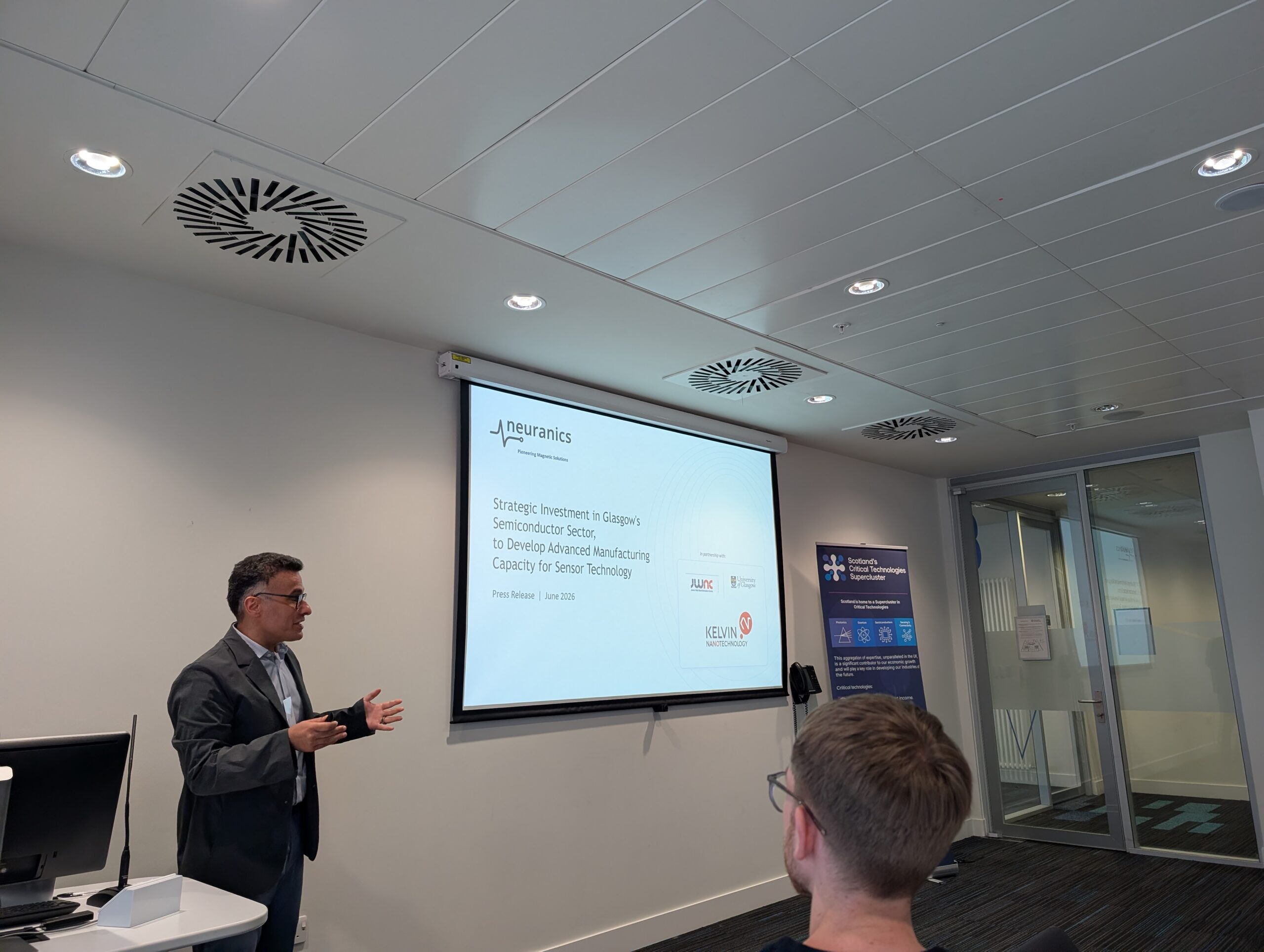
The group also heard from Hadi Heidari of Neuranics, who shared the company’s exciting ambitions to bring a significant proportion of its device fabrication activities to Scotland. His presentation highlighted the importance of ensuring that emerging Scottish companies have access to the infrastructure and manufacturing capabilities required to grow and remain within the domestic ecosystem.
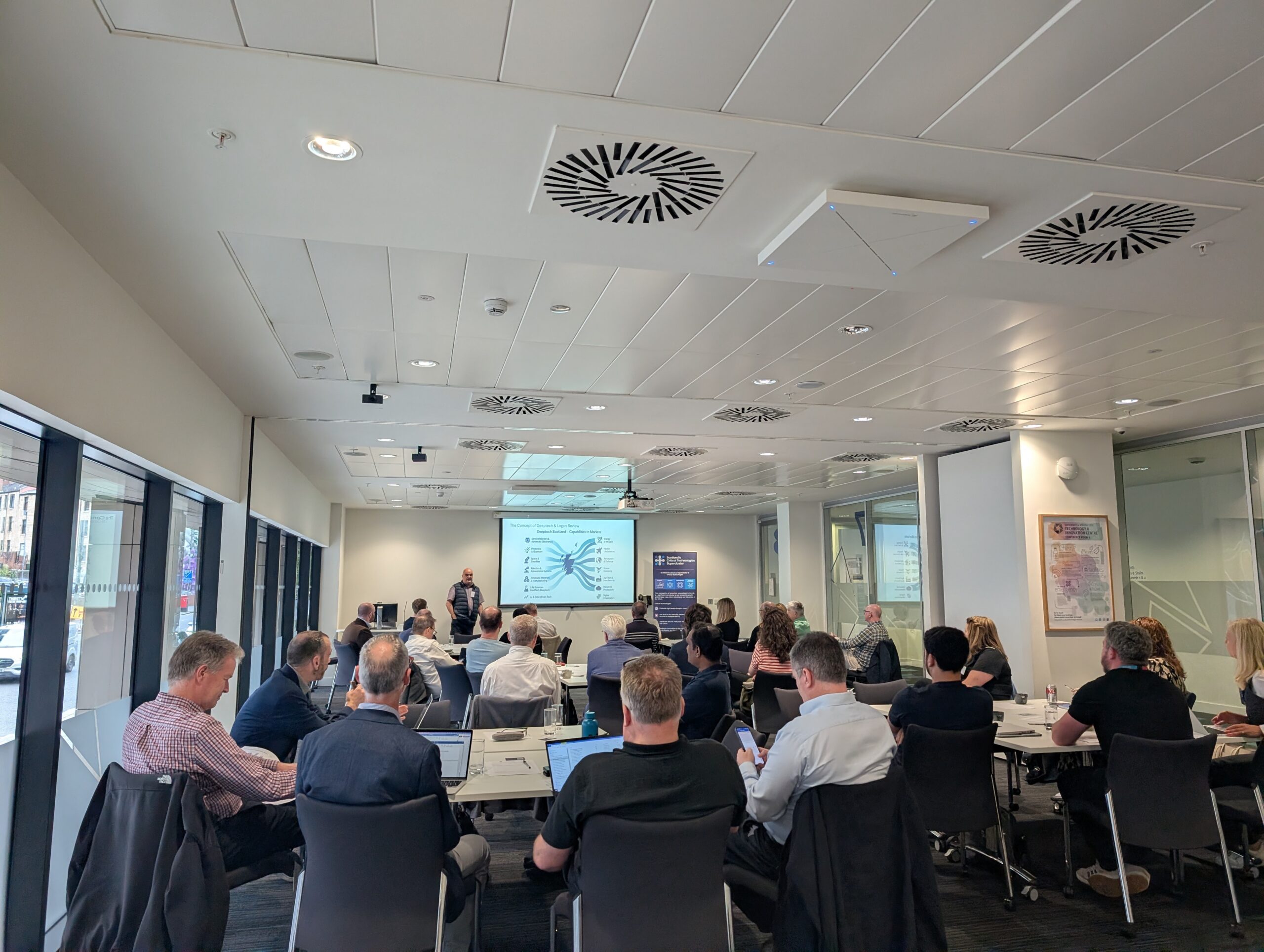
Following the networking break, Scott Wilson from Scottish Enterprise introduced the Deep Tech Growth Programme, outlining the key challenges facing deep technology businesses and explaining how the programme is designed to support company growth through targeted interventions, stronger connectivity and improved access to expertise and resources.
The meeting concluded with an interactive facilitated discussion, providing participants with the opportunity to shape future priorities for the Special Interest Group and the wider ecosystem.
Attendees explored what would encourage organisations to engage more actively with the initiatives presented during the day and identified the factors that will be critical to ensuring their long-term success.
A recurring theme throughout the discussion was the importance of easier access to manufacturing infrastructure and ensuring greater connectivity between Scotland’s facilities. Participants emphasised that building stronger links between organisations, infrastructure providers and supply chain partners will be essential to creating seamless pathways from research and innovation through to commercial manufacturing and scale-up.
The conversation also extended to internationalisation, with participants considering which global innovation clusters and manufacturing ecosystems Scotland should strengthen relationships with in order to attract investment, encourage collaboration and position Scottish companies within international supply chains.
The excellent attendance and quality of discussion demonstrated the the importance of this Special Interest Group. As Scotland continues to build its critical technologies ecosystem, strengthening manufacturing pathways, developing world-class infrastructure and fostering closer collaboration across industry, academia and government will be key to enabling companies to scale successfully and compete globally.