
On Wednesday 28th October, Technology Scotland held the first event in our newly launched series of cross-sector events, Critical Technologies for Future Industries, connecting Scotland’s critical technologies community with key local adoption markets.
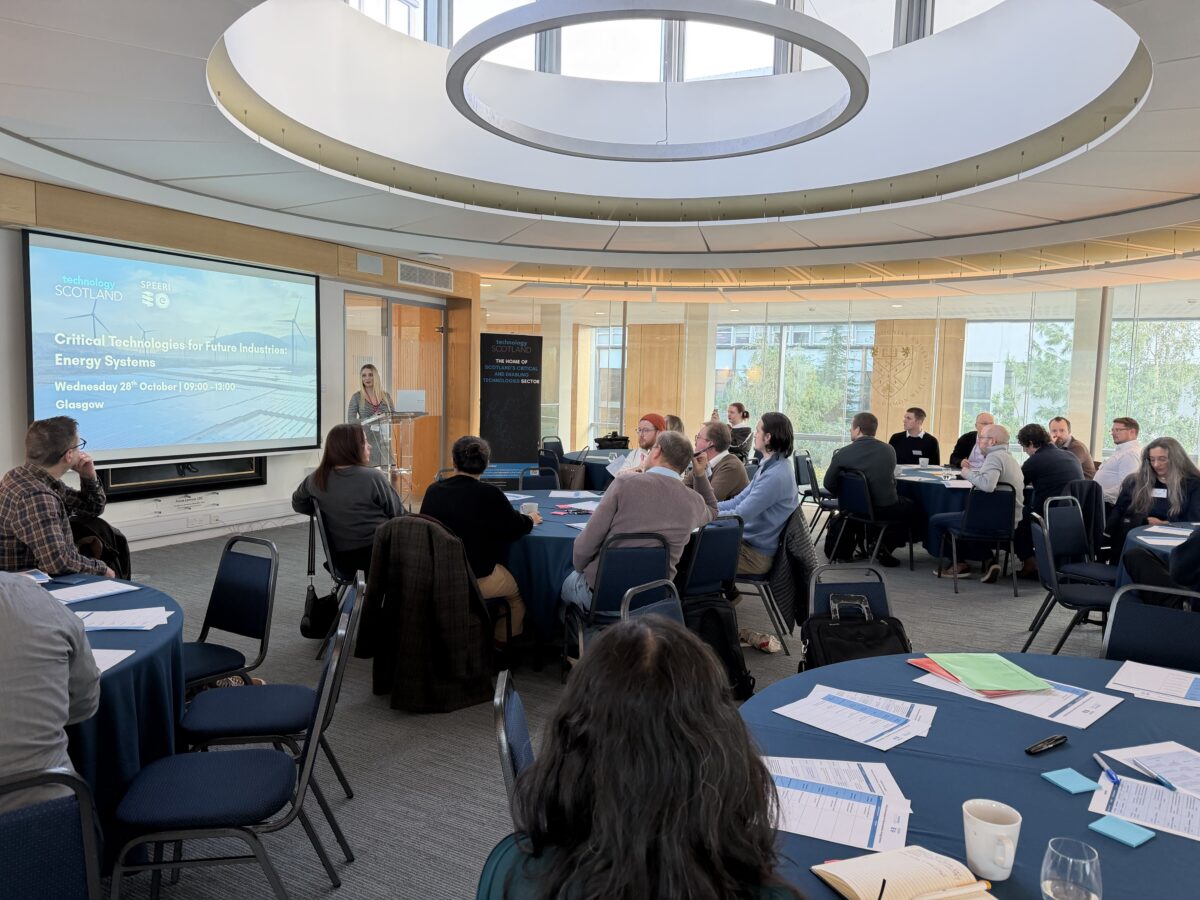
The first event in the series focused on energy systems and was delivered in partnership with the Scottish Partnership in Energy and Engineering Research & Innovation (SPEERI).
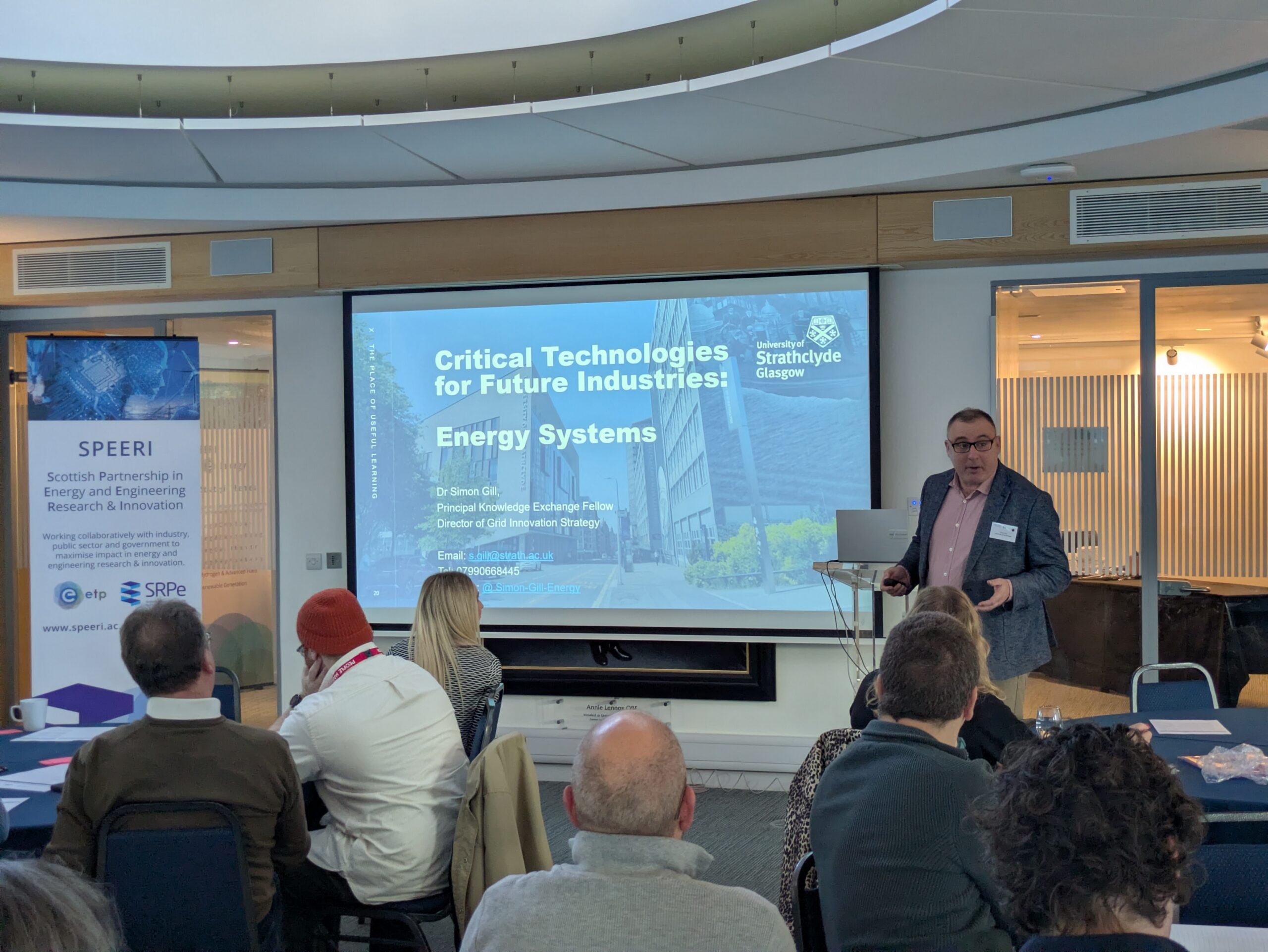
The event kicked off with Simon Gill, Director of Grid Innovation Strategy and Knowledge Exchange – University of Strathclyde, providing an excellent overview of the current challenges, priorities and ambitions of the energy sector.
We then shifted focus to a series of critical technology pitches from companies operating across Scotland’s critical technologies ecosystem. Attendees gained insights into a range of innovative technologies as David Clark, CTO, Clas-Sic, Mark Braley, Business Development Manager, Gas Sensing Solutions, and Carsten Giebeler, Managing Director, Spectrolytic showcased their work and explored how these technologies could help address challenges facing the energy sector.
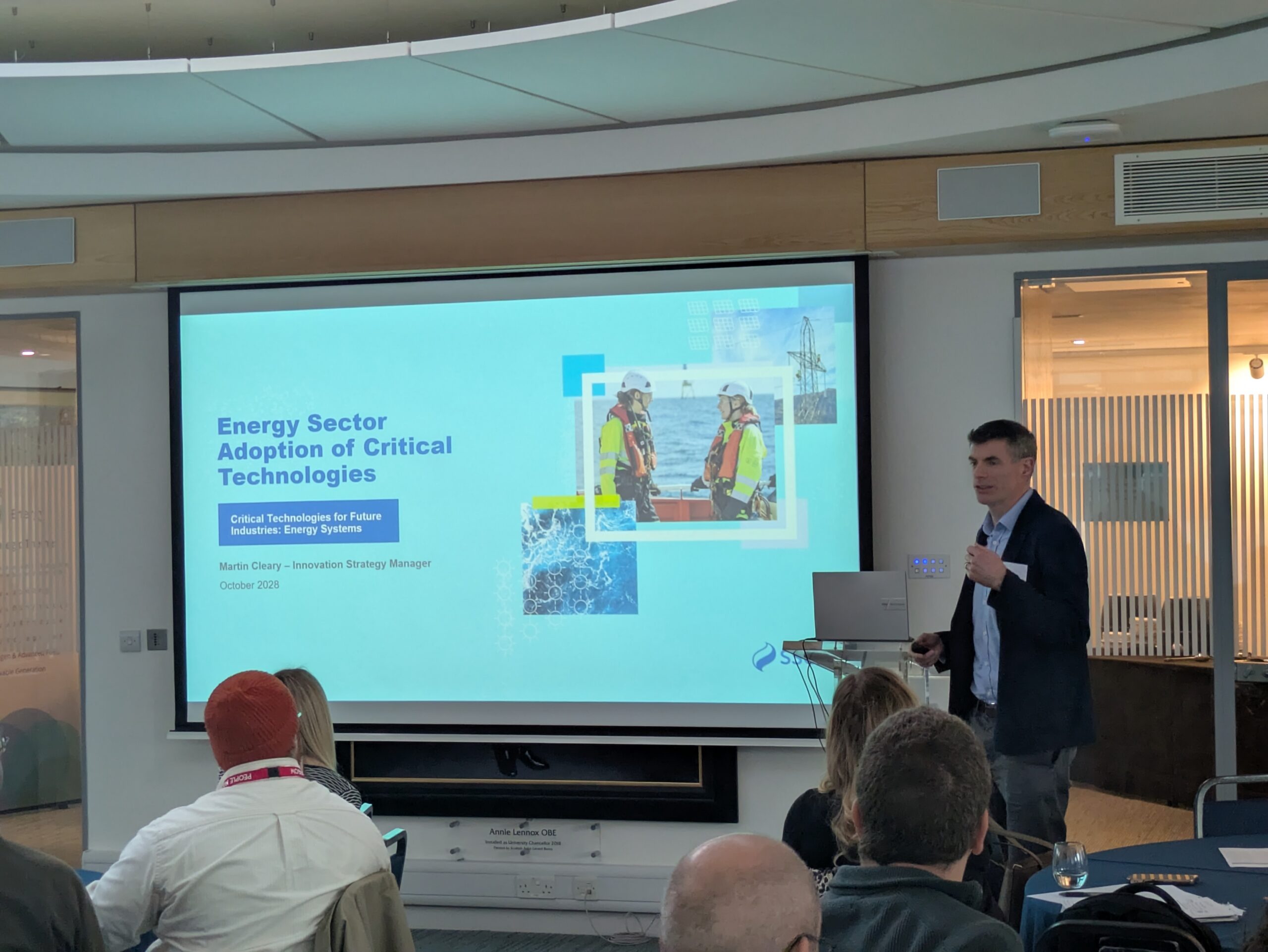
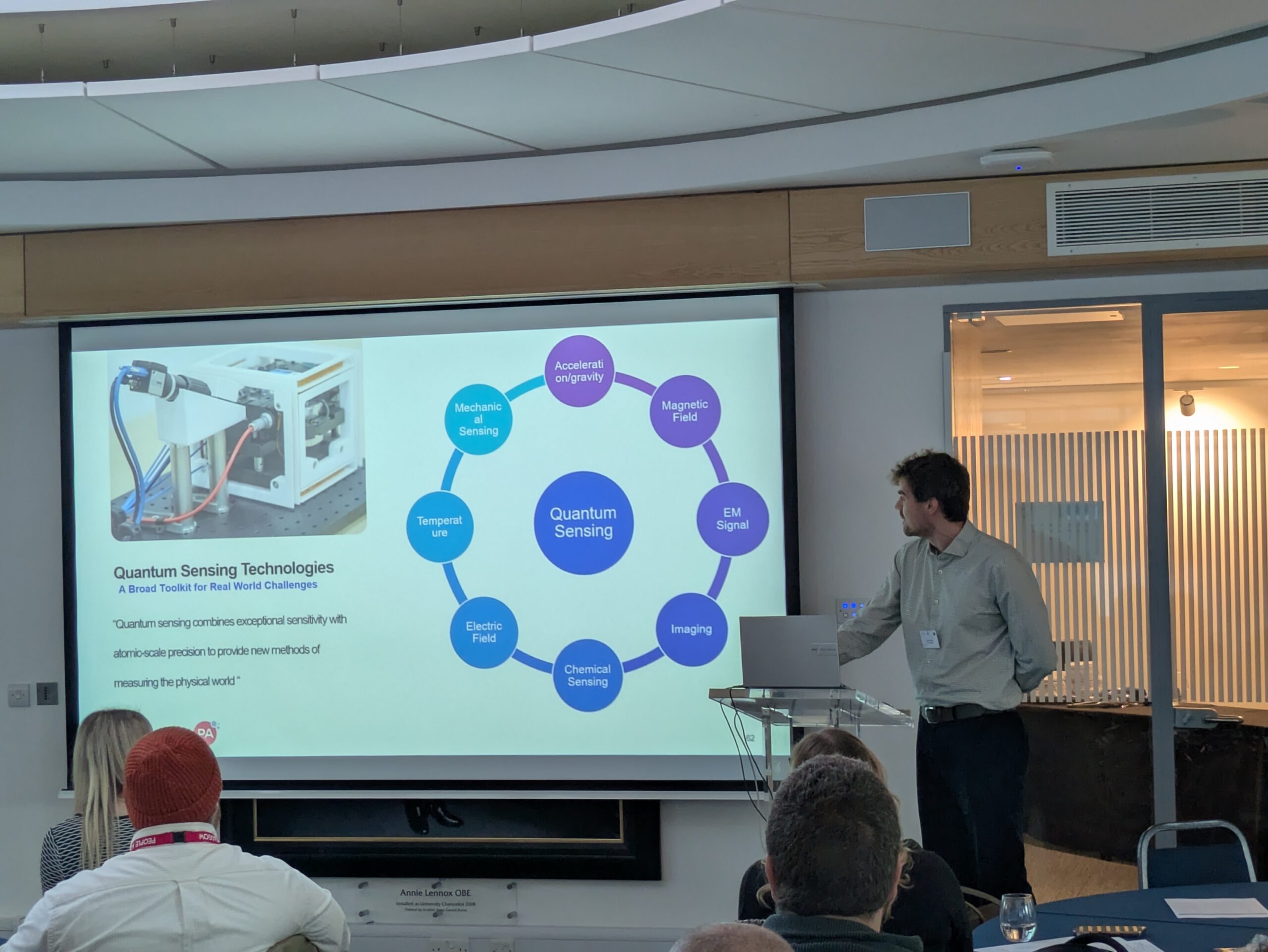
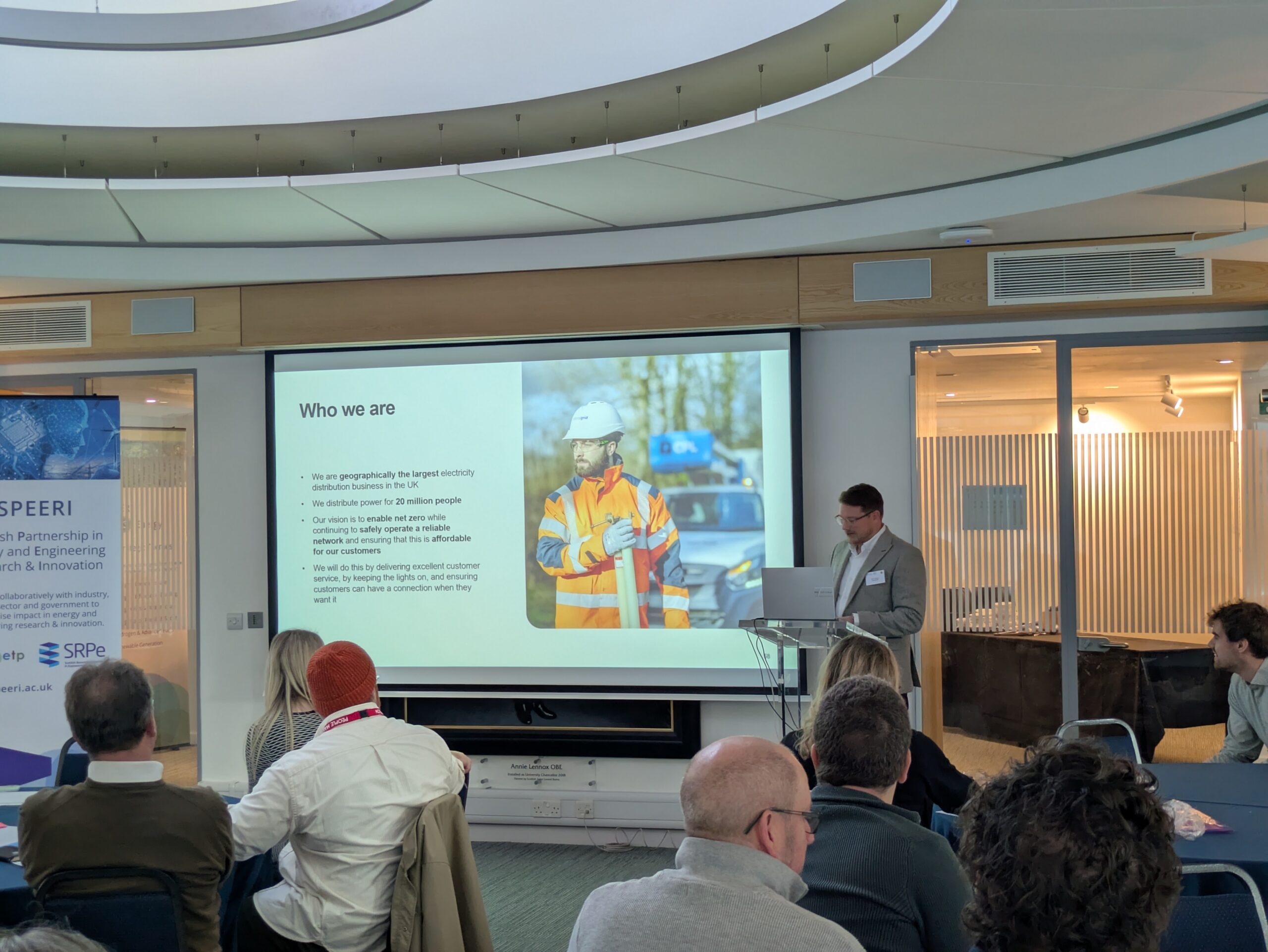
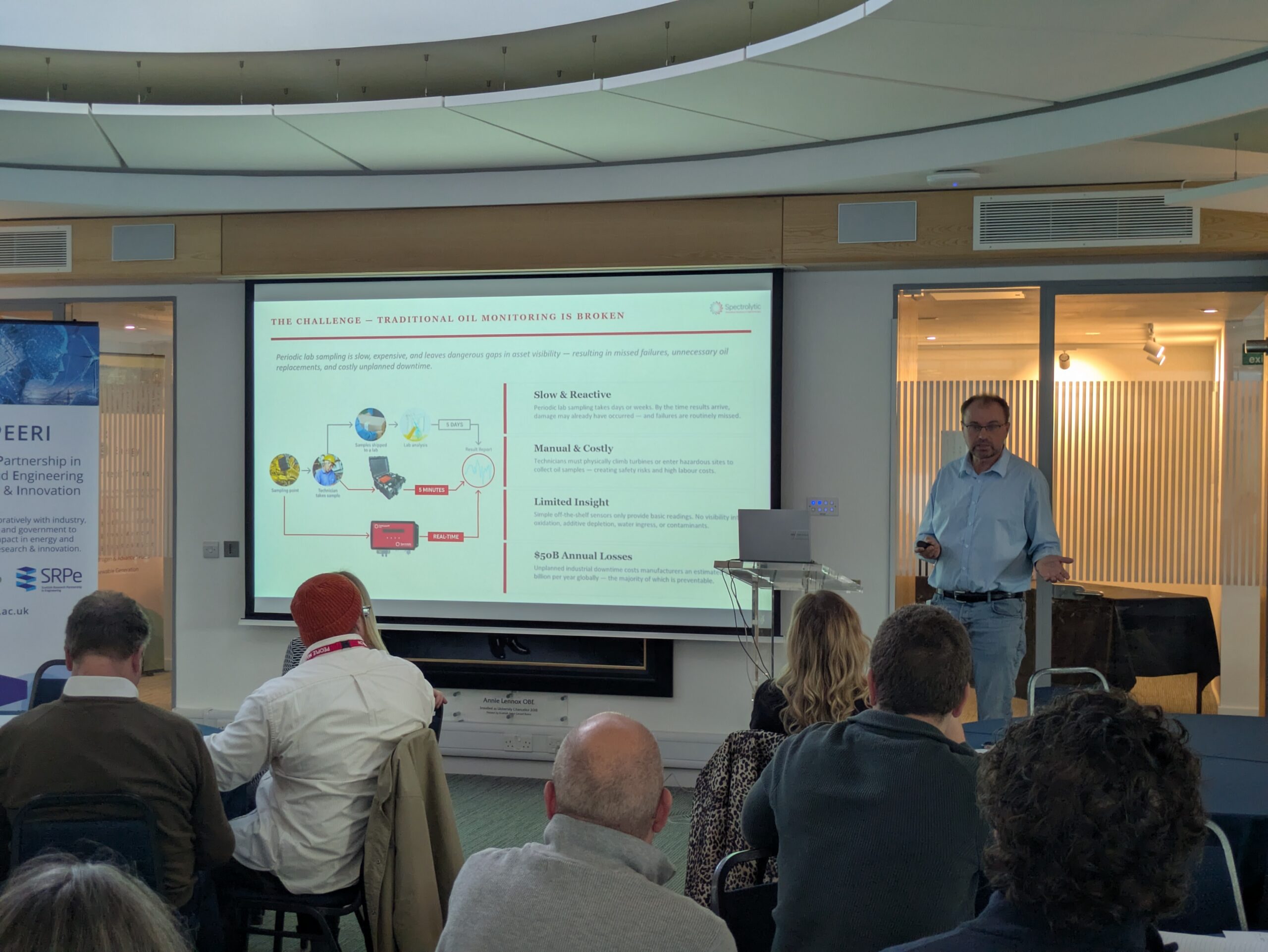
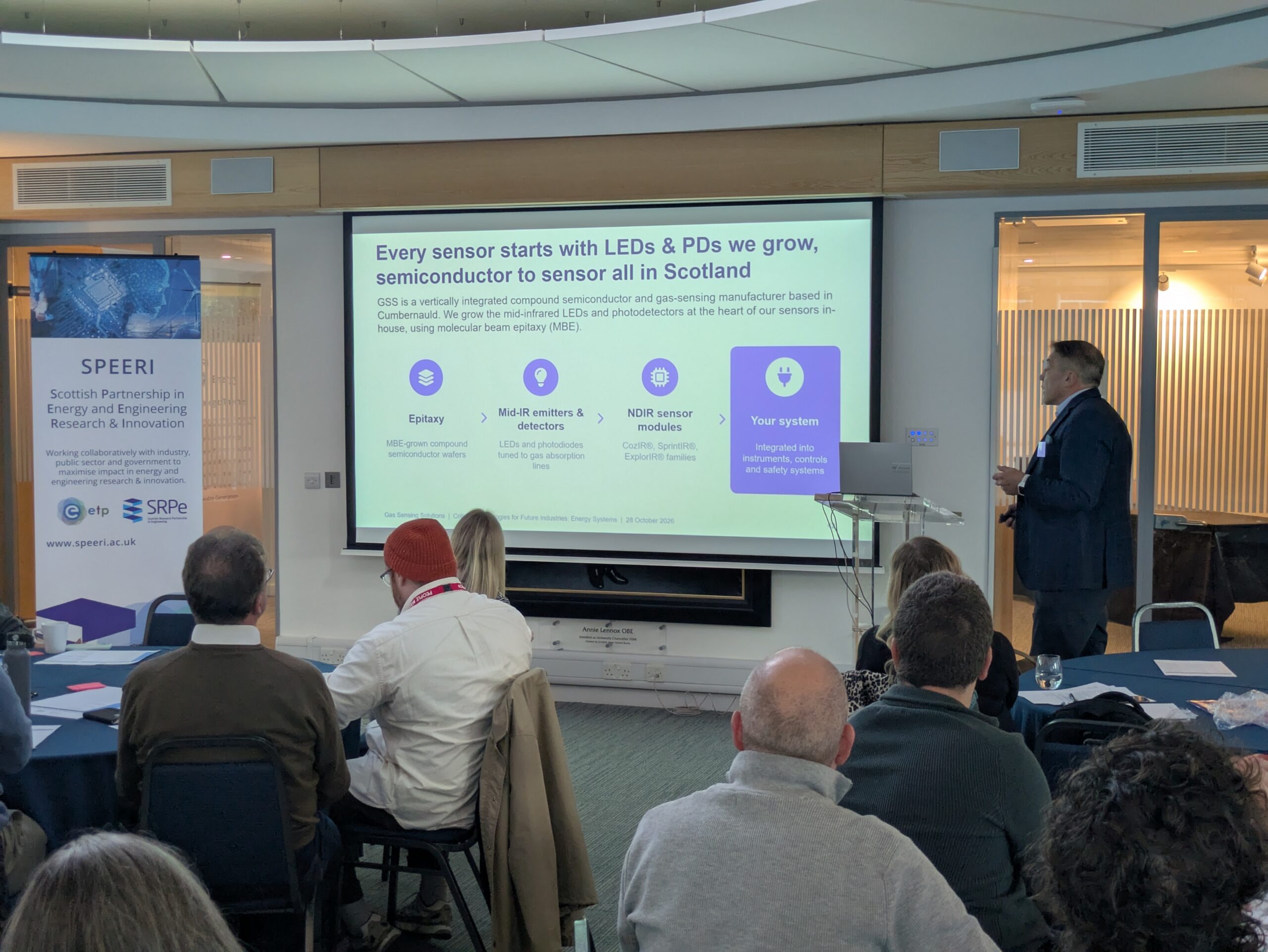
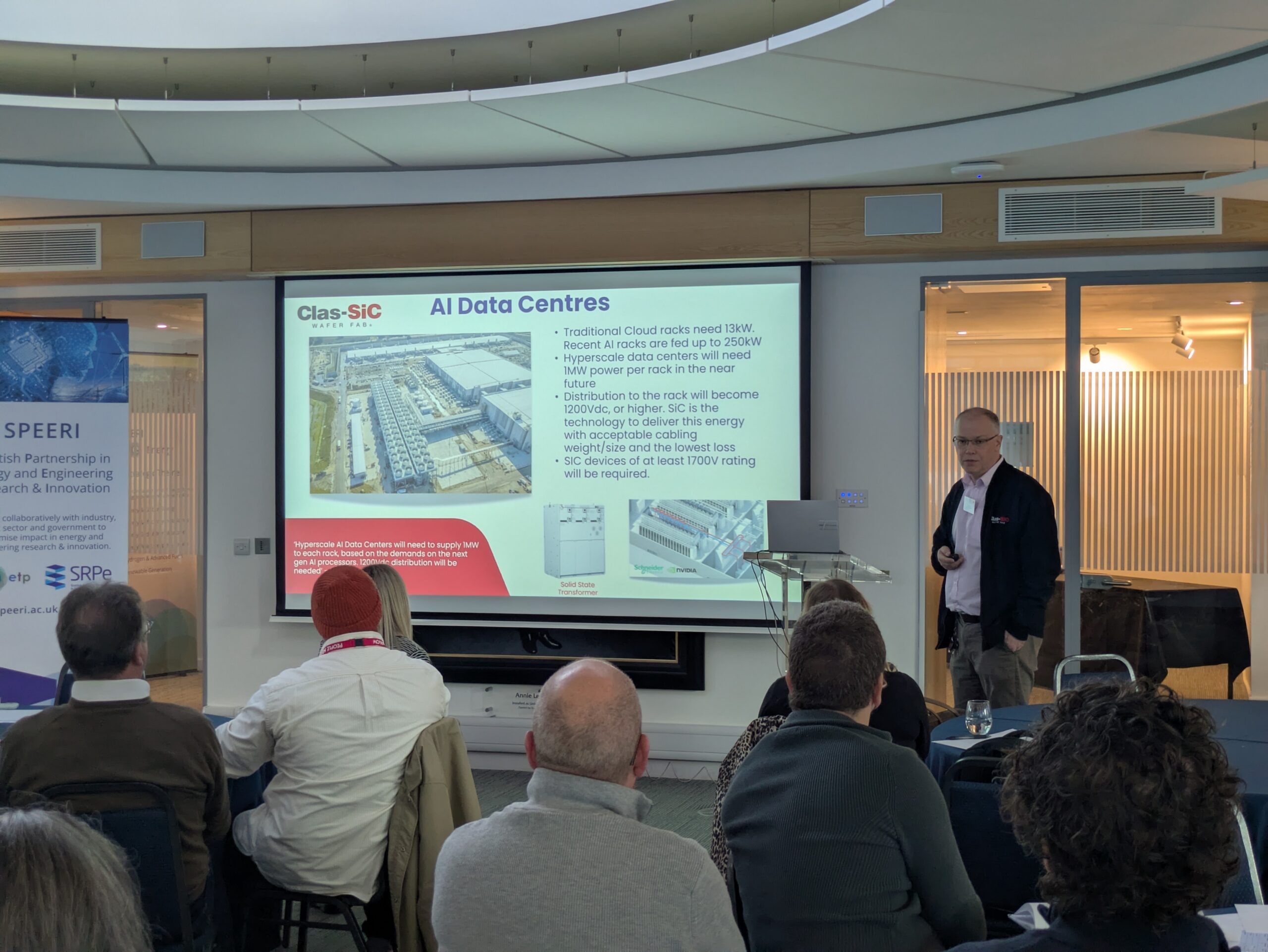
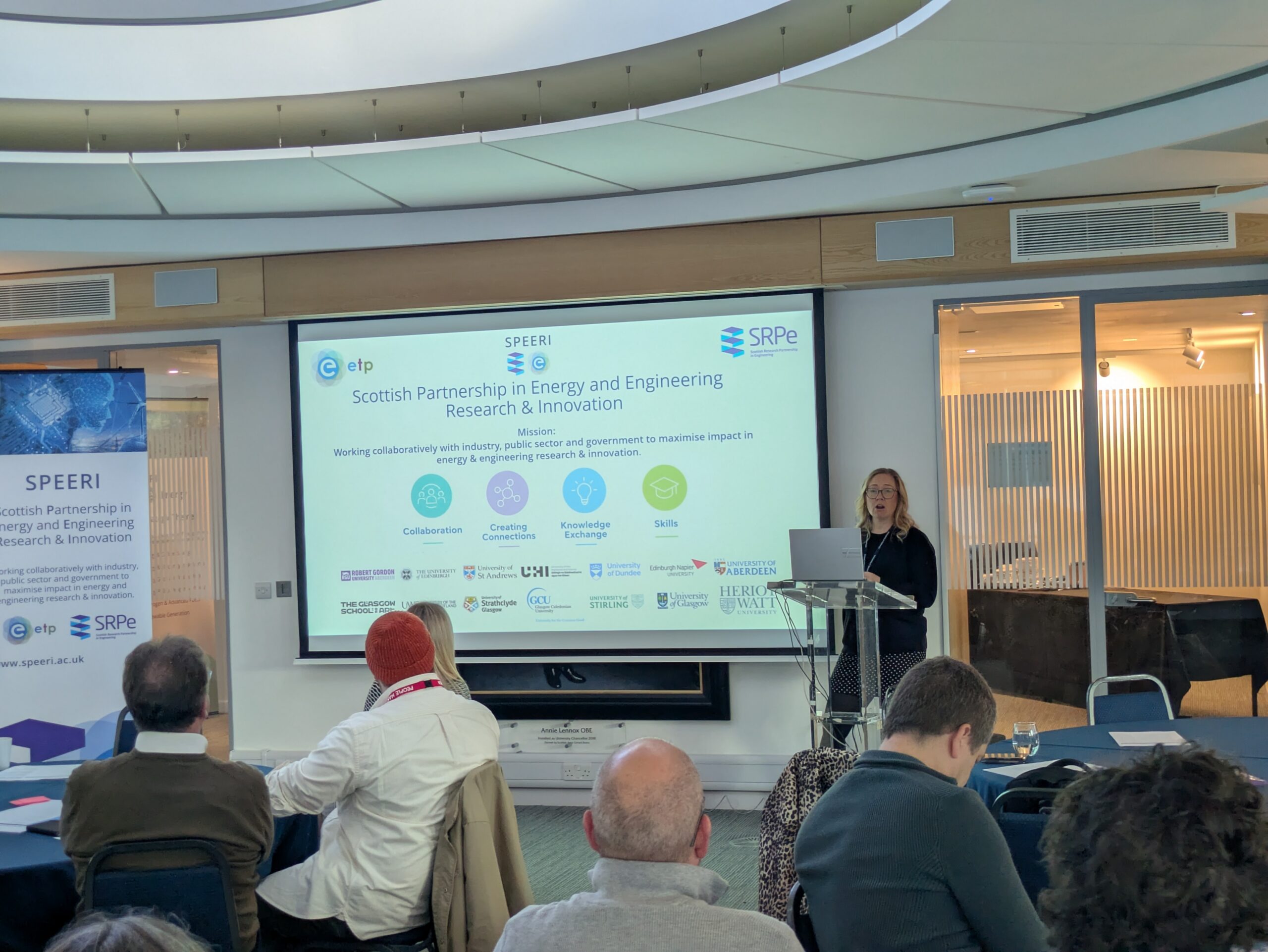

To bring the conversation from technology potential to real-world application, National Grid introduced its fascinating Quantum Leap project exploring quantum sensing, while SSE shared examples of critical technology adoption projects they have been involved in.
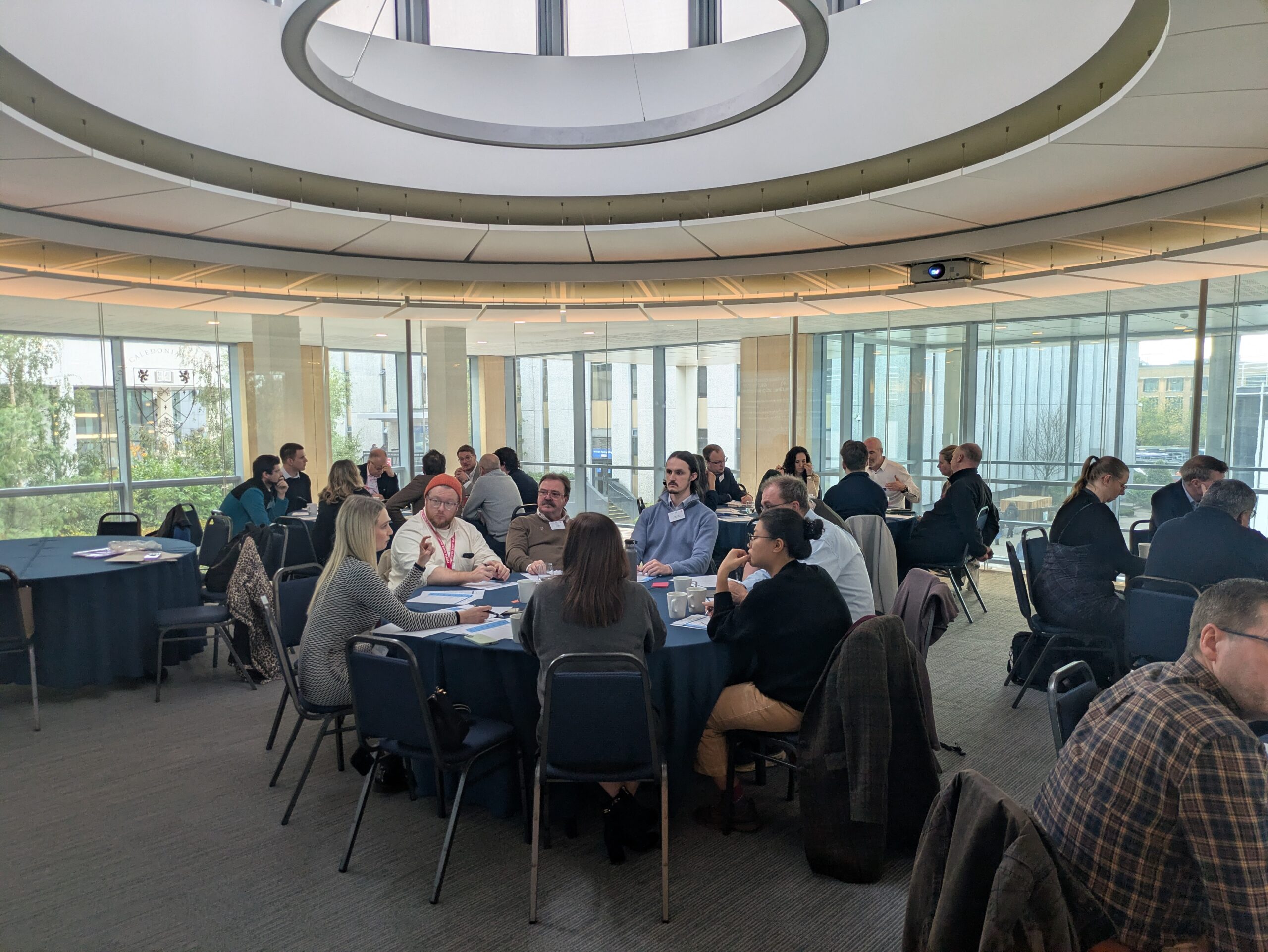
After the break, we held facilitated discussions on two key topics; understanding the key challenges facing the energy sector, followed by critical technologies solutions and adoptions pathways. These sessions generated valuable insights and provided a great opportunity for participants to exchange knowledge, explore different perspectives, and discuss opportunities for collaboration across sectors.
The event provided a great start to our new event series. We look forward to continuing to work with partners from across industry, academia and the wider innovation ecosystem to bring technology developers and potential adopters closer together, encourage new conversations, and help uncover opportunities for future collaboration and innovation.