
On Monday, 26th October, Technology Scotland held the third meeting of the Manufacturing and Fabrication for Critical Technologies Special Interest Group, bringing together industry, academia and public sector stakeholders to discuss the future of Scotland’s critical technologies manufacturing ecosystem.
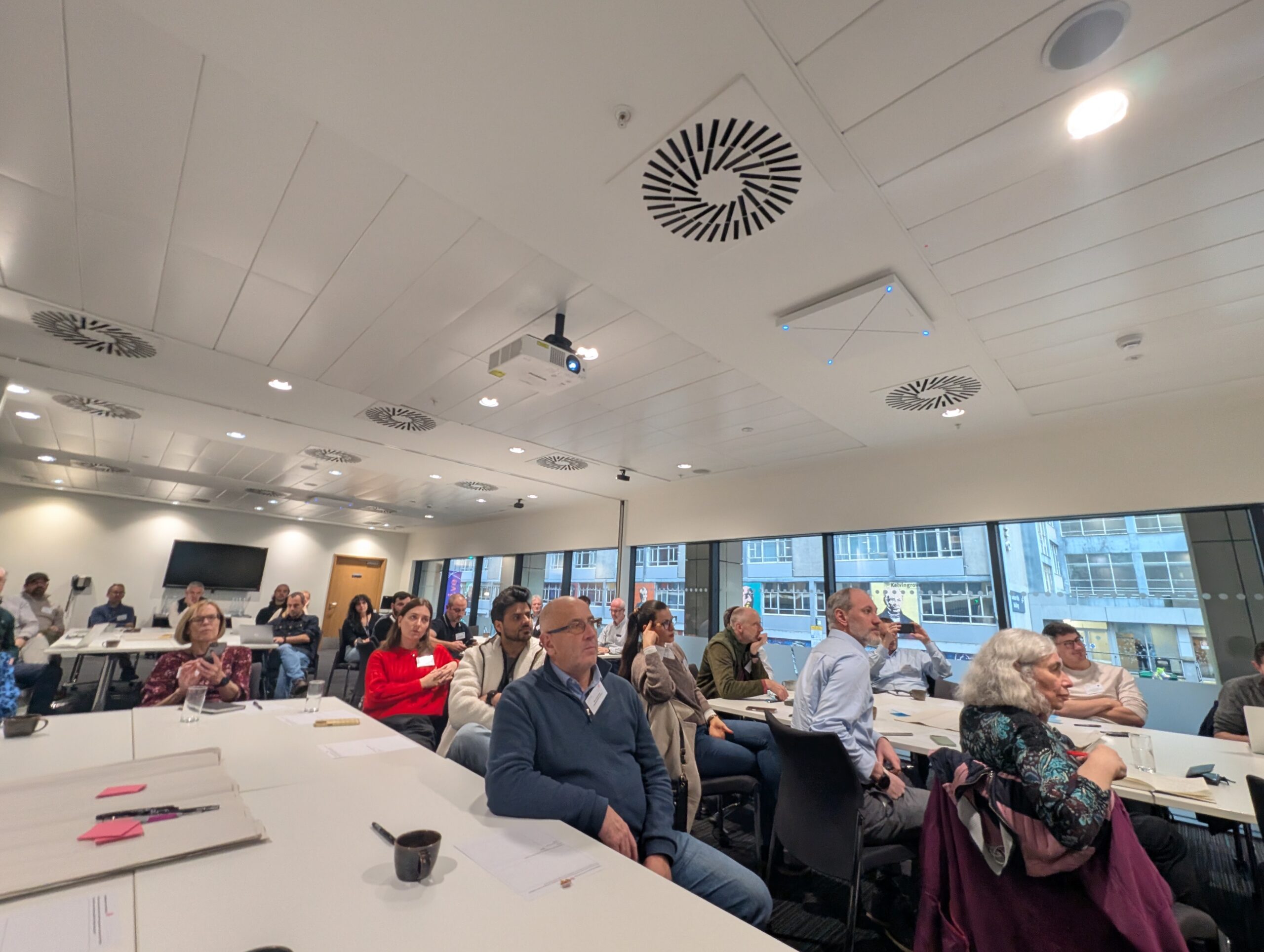
This session was focused on connecting Scotland’s manufacturing pathways, with an ambition to explore what a genuinely interconnected manufacturing ecosystem could look like: one in which a company developing a new technology can understand where to go next, what capabilities are available, how different facilities connect, and how a product can progress from early fabrication and prototyping through testing, packaging, integration, pilot production and ultimately scalable manufacture.
The afternoon began with a discussion on the need for better-connected manufacturing pathways in Scotland and the opportunities that a more integrated ecosystem could unlock for the country’s critical technologies sectors.
We heard from three excellent speakers, who brought different but complementary perspectives:
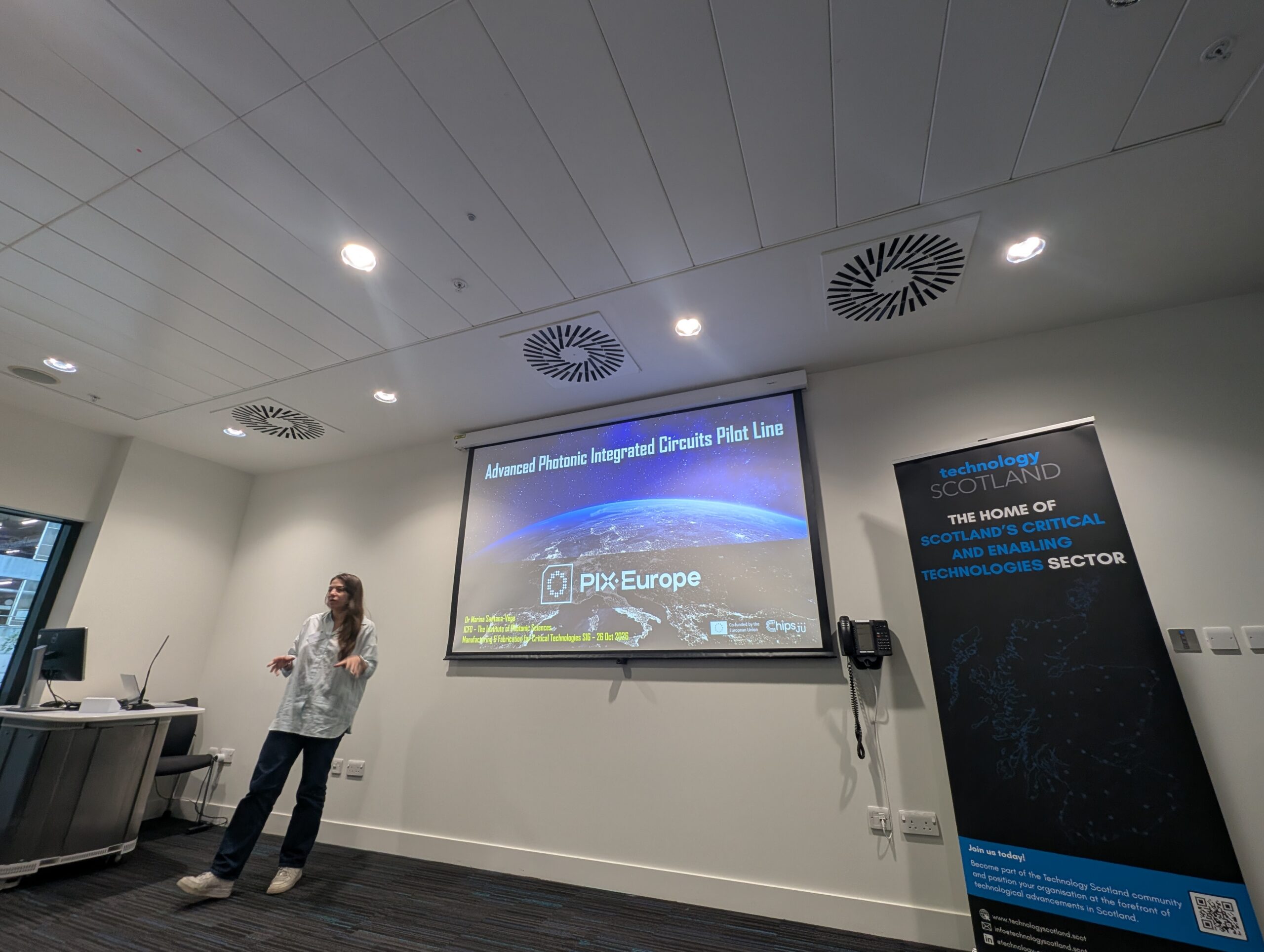
- Marina Santana, Project Manager at PIXEurope, who travelled from Spain to introduce the European pilot line initiative and share how they are connecting capabilities, infrastructure and expertise across different countries and organisations.
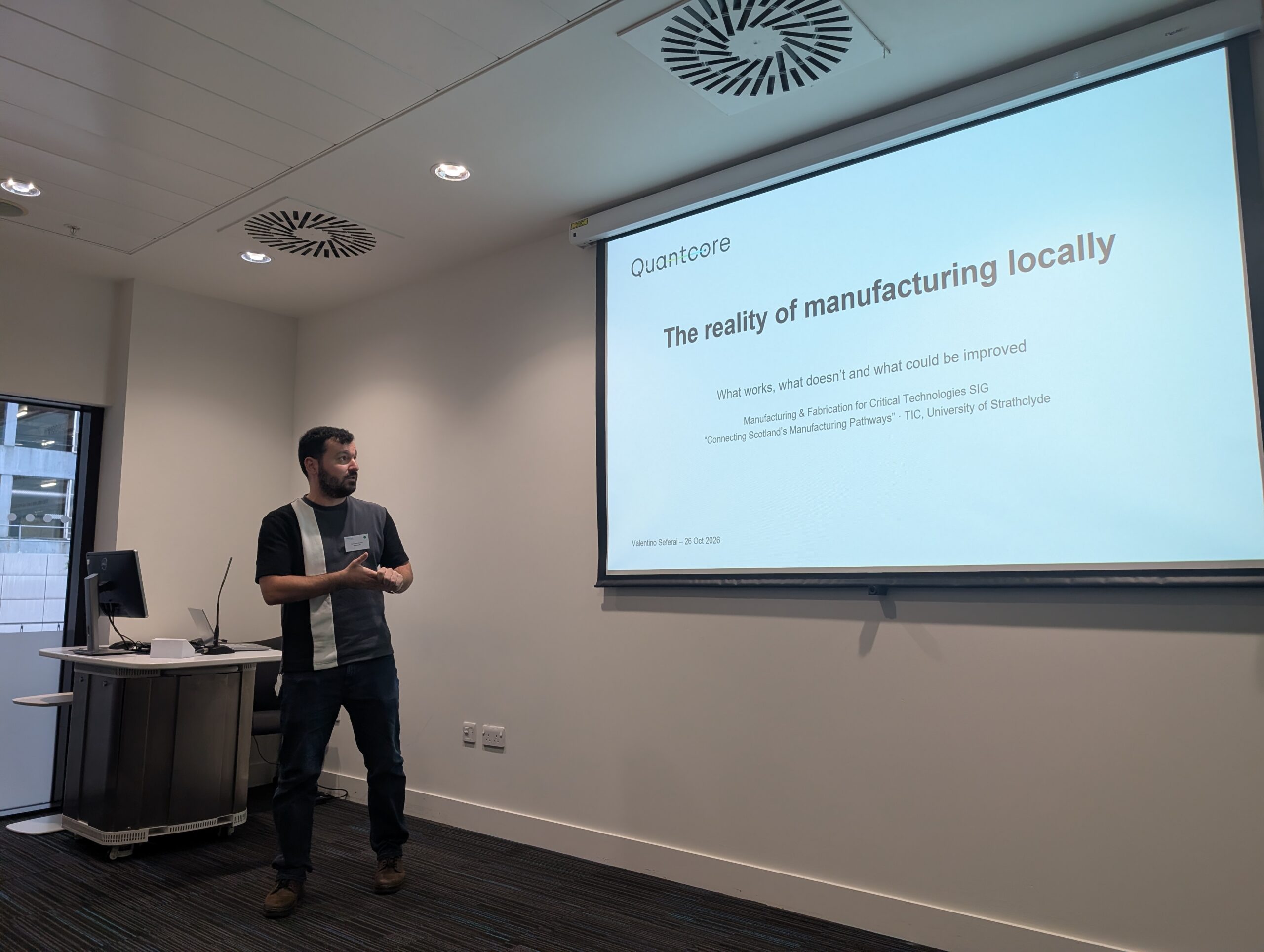
- Valentino Seferai, CTO of Quantcore, who shared the perspective of a Scottish start-up already manufacturing its chips locally, reflecting on what is working well and where opportunities for improvement remain.
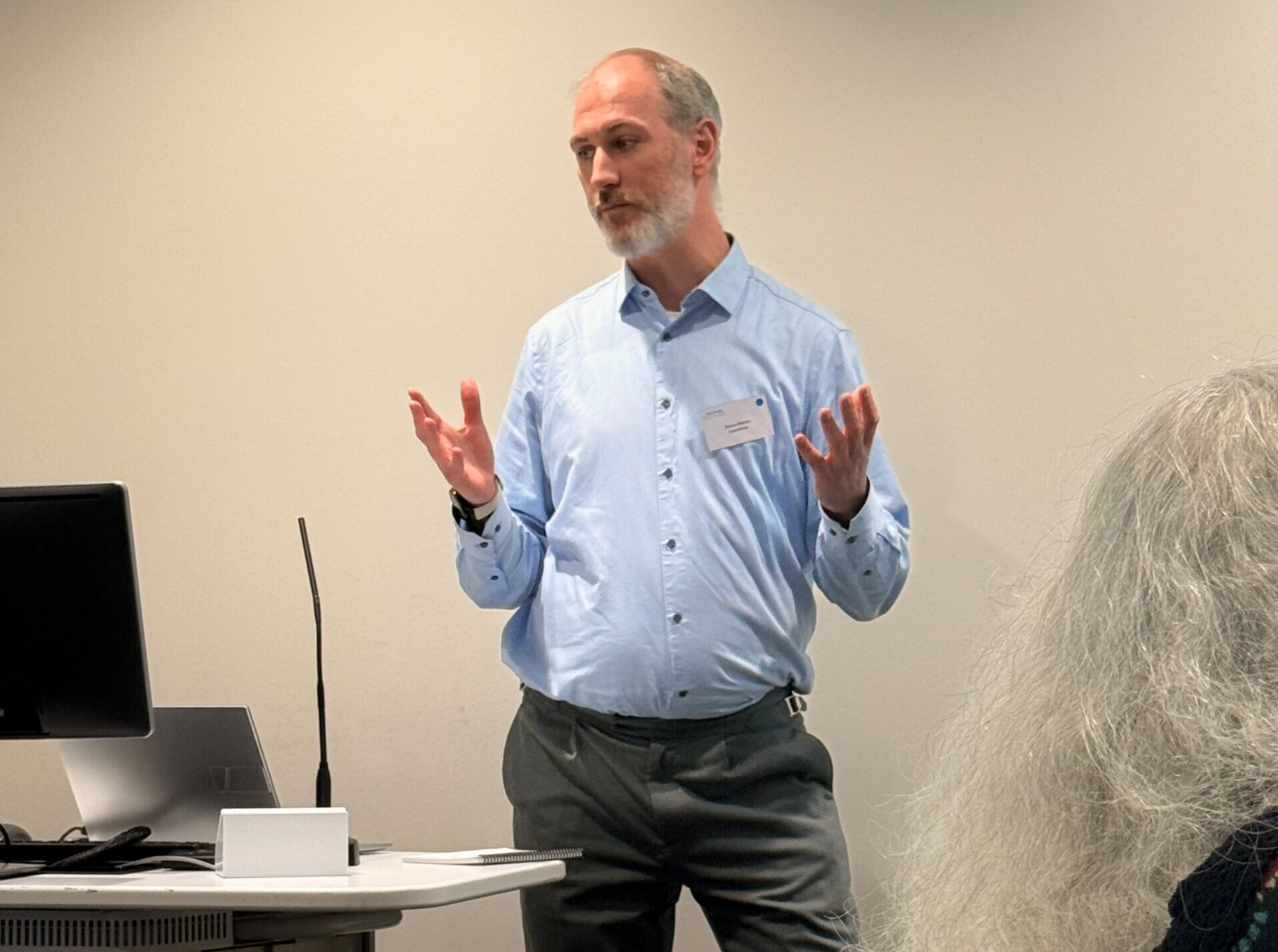
- Simon Munro from LumiAIres Ltd, who brought the perspective of a company at an earlier stage of its manufacturing journey, exploring the opportunities and challenges of establishing manufacturing pathways in Scotland.
The presentations were followed by facilitated discussions, with attendees exploring how we can make Scotland’s manufacturing ecosystem more interconnected, interoperable and easier to navigate and access. We also considered where greater standardisation could help, what our future manufacturing landscape might look like, and how Scotland can position itself within wider European and global manufacturing networks.
We were pleased to have such strong attendance and quality of discussion once again at this Special Interest Group. As Scotland continues to build its critical technologies ecosystem, strengthening manufacturing pathways, developing world-class infrastructure and fostering closer collaboration across industry, academia and government will be key to enabling companies to scale successfully and compete globally.